
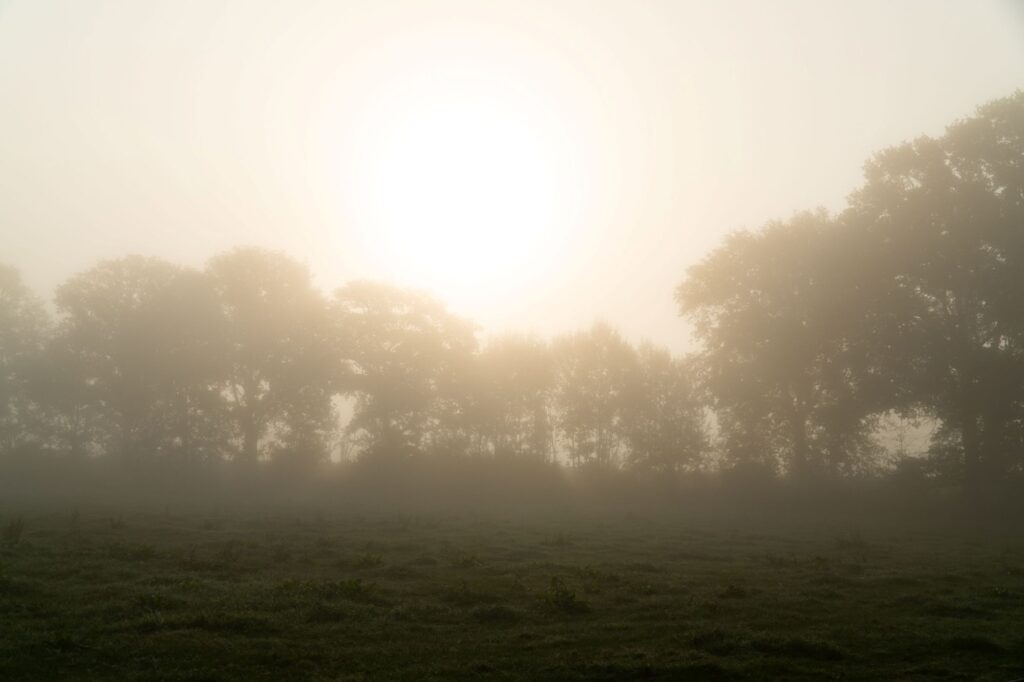
Wildfire smoke is a complex mixture of gases, volatile organic compounds and microscopic particulate matter. Of particular concern is PM2.5—particles measuring 2.5 micrometers or smaller.
These particles may settle on the surface of the skin and contribute to:
- Oxidative stress and free-radical formation
- Inflammation, redness and sensitivity
- Disruption of the protective skin barrier
- Increased water loss and dryness, particularly after exercise
- Flares of eczema, acne, rosacea or psoriasis
- Uneven tone and a dull, tired appearance
- Accelerated breakdown of collagen and other signs of environmental aging
Research increasingly links air pollution with skin-barrier disruption, oxidative stress and worsening inflammatory skin conditions. Wildfire-specific skin research remains more limited, but the same protective principles apply. When wildfire smoke turns the sky hazy and the air-quality index climbs, protecting your lungs should always be the first priority. Stay indoors when possible, use effective air filtration, and wear a well-fitting N95 mask when outdoor exposure is unavoidable.
Review of air pollution and skin disease
How to change your skincare routine during wildfire pollution
During a smoke event, the goal is not to scrub the pollution away aggressively. Overcleansing and exfoliating can further weaken an already stressed skin barrier. Instead, think: cleanse, defend, moisturize and protect.
- Cleanse gently
Use a mild, non-stripping cleanser and lukewarm—not hot—water. - Apply an antioxidant or environmental-defense serum
Antioxidants help support the skin’s defenses against the free radicals produced by pollution exposure. - Strengthen the moisture barrier
Choose a moisturizer containing ingredients such as glycerin, hyaluronic acid, squalane, niacinamide or ceramides. - Finish with broad-spectrum sunscreen
Smoke does not eliminate ultraviolet exposure, although on the worst days UVB is reduced by 80%. Apply broad-spectrum SPF 30 or higher every morning. - Add physical protection
A hat and protective clothing reduce direct exposure. An N95 mask is important for respiratory protection and also covers part of the face, although skincare products cannot protect your lungs. - Increase vitamin D intake, the amount do D you get is related to the UVB and studies show 18% less production when wildfire particles are in the air.
When you come indoors
If you have spent considerable time outside, gently cleanse your face to remove particles, sweat and sunscreen. Do not use abrasive brushes, scrubs or harsh cleansing wipes. If your skin feels tight, itchy or irritated, apply a bland moisturizer. Avoid repeatedly washing your face throughout the day, as this can make barrier damage worse.
Your evening routine
Cleanse thoroughly but gently, then apply a restorative serum and moisturizer. During periods of very poor air quality, consider temporarily reducing irritating products such as:
- Strong retinoids
- Glycolic or salicylic acid
- Facial scrubs
- At-home chemical peels
- Benzoyl peroxide, if it is causing dryness
- Heavily fragranced products
You do not necessarily need to stop all active ingredients. Let your skin guide you: burning, persistent redness, scaling or unusual sensitivity are signs that it is time to simplify.
Why LUMIVIVE is especially useful during pollution events
SkinMedica® LUMIVIVE® is a two-part environmental-defense system designed to support the skin during the day and its recovery processes overnight.
LUMIVIVE Day Damage Defense Serum
The daytime formula combines antioxidants, bioflavonoids, peptides, botanical extracts and barrier-supporting ingredients. These include niacinamide, squalane, glycerin, vitamin E, green-tea extract, coenzyme Q10 and cocoa-seed extract. Together, these ingredients are intended to:
- Support the skin’s antioxidant defenses
- Help limit the visible effects of environmental stress
- Hydrate and reinforce the skin barrier
- Reduce the appearance of dull, tired or stressed skin
Think of LUMIVIVE Day as an additional layer of environmental defense—not as a coating that physically blocks or removes every smoke particle.
LUMIVIVE Night Revitalize Repair Complex
The nighttime formula includes hydrating ingredients, peptides, botanical extracts and antioxidants, including mitoquinol mesylate. It is designed to support the skin’s natural nighttime recovery cycle and improve the appearance of tone, texture and radiance.
The manufacturer’s clinical studies evaluated LUMIVIVE in highly polluted cities and reported improvements in the appearance of stressed skin and skin-tone evenness. These are cosmetic benefits; LUMIVIVE has not been proven to prevent the systemic health consequences of wildfire smoke. SkinMedica LUMIVIVE System and manufacturer’s clinical overview
How to add LUMIVIVE to your regimen
Morning:
Gentle cleanser → treatment products → one pump of LUMIVIVE Day → moisturizer → broad-spectrum sunscreen
Evening:
Gentle cleanser → treatment products → one pump of LUMIVIVE Night → moisturizer
LUMIVIVE complements sunscreen; it does not replace it.
The bottom line
Wildfire pollution can leave skin dry, inflamed, reactive and vulnerable to oxidative stress. During poor-air-quality days, simplify your regimen, cleanse gently, reinforce the moisture barrier, use daily sunscreen and add antioxidant environmental defense.
LUMIVIVE is particularly well suited to this approach because it provides separate daytime defense and nighttime recovery support. While no skincare product can make wildfire exposure harmless, a thoughtful routine can help your skin remain calmer, stronger and more resilient until the air clears.
And For August Lumivive is in our Red Tag Sale
Seek medical care for persistent rash, swelling, blistering or worsening eczema, rosacea or psoriasis. Breathing difficulty, chest pain or significant smoke-related symptoms require prompt medical attention.